
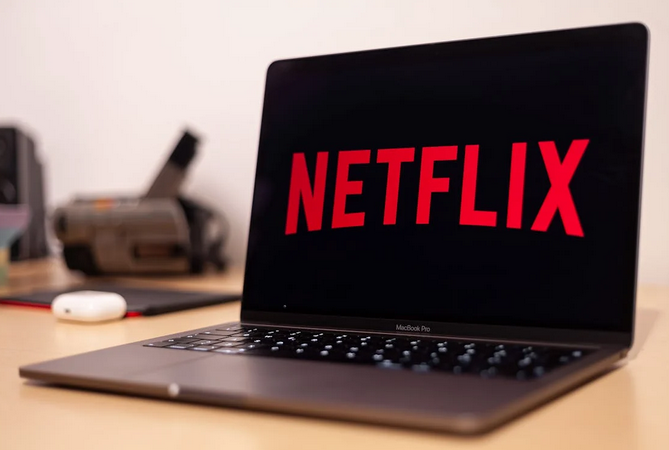
How Streaming Is Redefining Movie Nights for Modern Audiences
Movie nights have evolved dramatically over the past decade. Gone are the days when cinema outings required planning, commuting, and standing in long lines. Today, streaming services provide unprecedented flexibility, offering instant access to thousands of series and films from the comfort of home. Modern audiences can curate experiences tailored to mood, interests, or group dynamics, making each movie night feel personal and engaging. Beyond convenience, streaming platforms also highlight lifestyle details often overlooked in traditional viewing. For example, enthusiasts can explore film accessories and character fashion, such as luxury watches—websites like https://www.kinoundco.de offer detailed insights into these cinematic elements, showing how subtle props and accessories enrich storytelling and character identity.
Convenience and Flexibility
The primary appeal of streaming lies in its unmatched convenience. Viewers no longer need to coordinate schedules around theater showtimes or worry about sold-out seats. Films and series can be paused, replayed, or binge-watched without limitation, allowing audiences to set their own pace. Families can enjoy quiet evenings without distractions, and solo viewers can immerse themselves in extended series marathons. Additionally, streaming content is accessible across multiple devices—smartphones, tablets, and smart TVs—making movie nights possible even during travel or commutes. This accessibility has turned casual viewing into a routine part of daily life, blending entertainment seamlessly with modern schedules.
Extensive and Diverse Content Libraries
Streaming services provide access to vast libraries spanning genres, decades, and countries. Audiences can discover classics, indie hits, foreign cinema, or experimental content all within a single platform. This breadth encourages cultural exploration, broadening viewers’ cinematic horizons. Documentaries, period dramas, and animated films are now easier to access than ever before, creating opportunities to learn while being entertained. This diversity transforms movie nights from passive entertainment into engaging, educational experiences, allowing viewers to discover rare or underappreciated films that may never reach a theater in their region.
Personalized Viewing Experience
Modern streaming platforms utilize algorithms to recommend content based on user preferences. This feature allows movie nights to feel tailored and interactive. Users can create watchlists, adjust subtitle and language options, or select content by mood or theme. For example, fans who enjoy tracking character style, such as watches, clothing, or other accessories, can analyze these details alongside the story, adding another layer of engagement. Personalized recommendations also encourage exploration of genres or directors that viewers might otherwise overlook, making each movie night a carefully curated journey rather than a random selection.

Cost-Effective Entertainment
Streaming provides a highly cost-efficient alternative to traditional cinema. Theater visits often include tickets, transport, and concessions, which can quickly add up. Subscription services consolidate thousands of titles into a single monthly fee, allowing audiences to watch extensively without incurring extra costs. This affordability makes movie nights more frequent and inclusive for families or friend groups. Additionally, the lower cost encourages viewers to experiment with unfamiliar genres or international films, enriching the overall cinematic experience while keeping budgets manageable.
Social Engagement and Interactive Viewing
Streaming has introduced new ways to enjoy movies socially. Features like watch parties, synchronized viewing, and live chat options let friends and family engage with films remotely. Interactive titles also allow audiences to make decisions that impact story outcomes, giving viewers an active role in the narrative. These tools transform movie nights into shared, participatory experiences, connecting audiences across distances and enhancing engagement. Even without a theater, social interaction becomes a natural part of watching, making films more memorable and exciting.
Technological Enhancements
High-definition visuals, surround sound, and adaptive streaming technologies bring cinematic quality into homes. These innovations ensure that films are visually immersive, regardless of device or connection speed. Home cinema setups, paired with streaming content, allow audiences to enjoy epic blockbusters, subtle dramas, and action-packed thrillers in comfort. Features like customizable sound settings and smart lighting …
How Streaming Is Redefining Movie Nights for Modern Audiences Read More
 Music consumption has developed and evolved rapidly within a few decades from the first music system portable, which is the cassette player playing the Sony walkman in the late ’70s. The cassette gave way to Apple’s first known product, the popular iPod in the early 2000s. Consumers transitioned from buying tapes to audio discs, to paying for each MP3 songs. Jumping to 2017, we are now experiencing online services for streaming, which allow customers to play songs online without downloading the MP3 files. Some of the biggest names in streaming services are Tidal, Pandora, Apple Music, Spotify, each having individual offers on using their streaming platforms. In this age where music has become easy to download and access, music enthusiasts preferred online streaming because it eliminates the need for having big data storage for their devices, allows changing between genres and artists, and offers music personalization of individual subscriptions.
 MP3 purchases and downloads have declined steadily over the last few years by as much as 20 percent yearly. Since then, the revenue for record labels has declined steadily until 2016. Streaming became popular this year, with over 100 million subscribers registered over various streaming platforms online. Record companies have partnered with these platforms to increase their income through ad revenue and paid subscriptions on their various artists’ records.